Forecourt Foam or Full Detail? What Your Car Wash Money Actually Buys
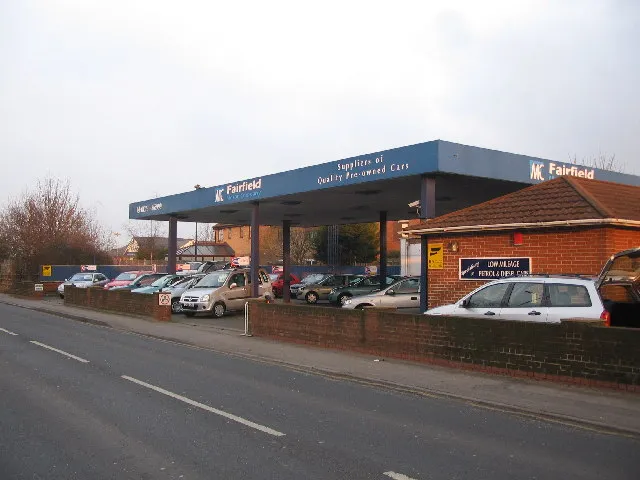
Photo: Phil Williams, CC BY-SA 2.0, via Wikimedia Commons
UK car washing is a strange old market. You can pay £6 for a supermarket tunnel, £10 for a bloke with a pressure washer on a forecourt, or £60-plus for a detailer who spends half a day on the thing. All three get your car wet. Only one is likely to look after the paint.
This is not a snobbery piece. A cheap wash has its place, especially in January when the car is wearing half of the local council's gritting supply. The trick is knowing what you are actually buying, what you are not, and when the cheap option becomes a false economy.
The £10 forecourt hand wash: cheap for a reason
A typical forecourt hand wash is a production line. The car gets sprayed with a traffic film remover, power-rinsed, washed with a sponge or mitt, rinsed again and dried with a chamois or microfibre. In and out in 15 minutes.
The traffic film remover is the bit most drivers do not think about. It is a strong alkaline cleaner designed to shift road grime fast. Used properly and rinsed thoroughly, it is fine. Left to dry on the car, or used at a strong mix, it can strip wax and stain unpainted plastic trim. That is why some cheap washes leave your black bumpers looking chalky.
The bigger issue is the wash media. A sponge that has already cleaned three cars that morning is a grit delivery system. It picks up brake dust and road grit, then drags it across your paint. That is how you get swirl marks: fine circular scratches that show up horribly in sunlight or under a petrol station light.
Is it a con? No, not if you accept it for what it is. A £10 wash is a salt removal service. If your car is covered in winter filth and you cannot face the driveway, it is better than leaving corrosive muck on the sills. Just do not expect it to be kind to dark paint.
The supermarket tunnel: convenience with a hidden bill
The supermarket tunnel is the cheapest wash going. You queue, you put the car in neutral, and a series of spinning brushes and cloth strips slap the car clean. It is quick, it is under a tenner, and it is fine for a white van or a car you genuinely do not care about.
The problem is the brushes. They are shared by every car that goes through, including the one that just came back from a muddy farm track. Grit gets trapped in the bristles and gets pressed into your paint. Over time, that leaves a haze of fine scratches and dulls the finish. On a brand-new car or anything dark, I would skip it.
There is also the pre-wash question. Some tunnels do a decent pre-wash; others just wet the car and start brushing. If the car is gritty, the brush is doing the damage before the shampoo has had a chance to lift anything.
Verdict: fine as an occasional convenience, not a routine. If you are leasing a car and handing it back in six months, crack on. If you own it and plan to keep it, the £8 you save is not worth the £150 paint correction later.
The £60 detail: what you are actually paying for
A proper detail is not a wash. It is a process. A decent £60 mini-detail should include a safe pre-wash, a two-bucket hand wash, wheels and arches cleaned with separate tools, door shuts wiped, tar spots removed, the car dried properly and some form of protection applied. That is a couple of hours of labour, plus products.
What it should not include at £60 is machine paint correction. Real correction, where a polisher removes swirl marks and restores gloss, takes hours and costs more. If someone offers 'full paint correction' for sixty quid, they are either using the phrase very loosely or they are not doing it properly.
A £60 detail is worth it if you are selling the car, if you have just bought a used one and want a clean baseline, or if you simply value your weekends. It is also the point where you can ask sensible questions: do they use a fresh wash mitt? Do they clean the wheels first or last? Do they offer a wax or a sealant, and how long will it last?
The treatments worth paying for, and the ones to skip
Worth the money at a detailer: iron fallout remover, tar removal, a clay bar if the paint feels rough, and a decent sealant or wax. These are the bits that make the car feel properly clean and make future washes easier.
Skip the forecourt 'extras'. Tyre shine is often a silicone dressing that slings up the side of the car and attracts dust. Dashboard polish leaves a greasy film that attracts fluff. 'Engine bay dressing' is usually a can of shiny spray over a dirty engine. 'Ceramic coating' at a car wash price is not ceramic coating; it is a spray sealant with a hopeful label.
Also skip anything described as rustproofing at a hand wash. Proper rust prevention is a different job, done by specialists, and it is not a tenner on top of a wash.
Doing it safely at home for under a tenner
You do not need a pressure washer, a foam cannon or a shelf full of branded potions. You need two buckets, a decent shampoo, a wash mitt and a microfibre drying towel.
A £4 pH-neutral car shampoo, a £3 microfibre wash mitt and a £3 bucket will come in under a tenner if you already have a second bucket in the shed. That second bucket is the important bit. Fill one with shampoo solution, one with clean water. Wash a panel, rinse the mitt in the clean bucket, then reload with shampoo. The clean bucket is where the grit ends up, not on your paint.
Work from the top down. Do the roof, glass, bonnet and upper panels first, then the lower panels and sills, then the wheels with a separate cloth. Rinse the car before you start and keep rinsing as you go. Dry with a microfibre towel, not a chamois that has been dropped on the drive.
Do not use washing-up liquid. It strips wax and leaves a residue. Do not wash in direct sun if you can help it. And do not use the same sponge on the wheels and the paint.
The CarBay verdict
The £10 forecourt wash is a salt-removal tool. Use it when the car is filthy and you are short of time, but do not expect it to preserve your paint. The supermarket tunnel is the cheapest way to get a car wet; it is not the cheapest way to keep it looking good. The £60 detail is worth it when you need a proper reset, not as a weekly habit.
The best value is still a bucket, a mitt and twenty minutes on a Sunday. Your paint will thank you, and your wallet will barely notice.