Dash Light Decoded: When to Stop, When to Book, When to Breathe
The dashboard is a traffic light, not a puzzle box
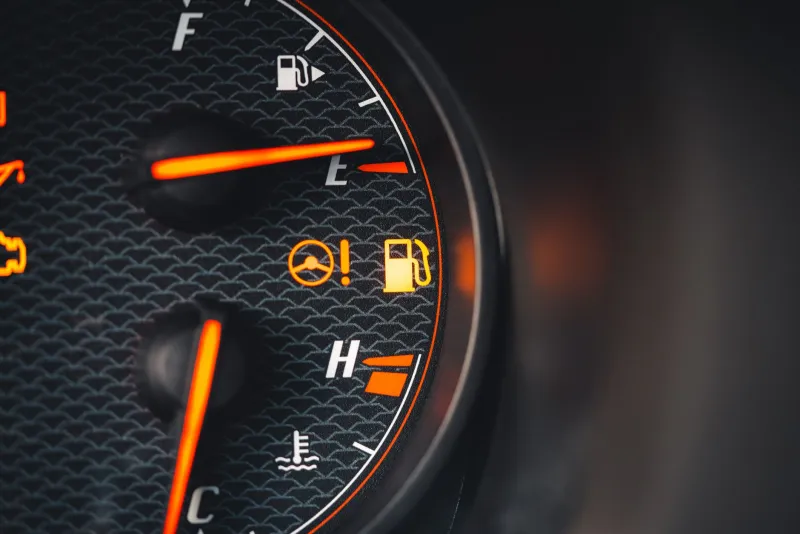
Most UK cars use a simple colour code. Red means stop safely and investigate before you carry on. Amber means something needs attention soon — book it in, check it, or at least keep a proper eye on it. Green and blue are mostly information: lights are on, a system is active, or you have selected something. The trouble is that drivers often treat every amber symbol like a vague suggestion and every red one like a temporary glitch. That is how a cheap sensor becomes an expensive repair.
Red lights: the pull-over-now list
A red oil pressure light is not a low-oil reminder. It means the engine is not getting oil pressure. Pull over, switch off and check the dipstick only when it is safe. If the level is fine, do not drive it — get recovery. A red brake warning light can simply mean the handbrake is on, but if it stays lit after you release it, stop. It could be low brake fluid or a hydraulic fault. A red coolant temperature light means the engine is overheating; stop, let it cool, and never whip the cap off a hot expansion tank. A red battery symbol usually points to a charging fault, not a flat battery. The car may keep going until it does not, so head somewhere safe. Red power steering means the assistance has failed; the steering will feel heavy, so stop when you can.
Amber lights: book it in, do not file it under later
A steady amber engine management light is the classic book-a-diagnostic signal. The car may feel normal, but the engine computer has logged a fault. A flashing amber engine light is different: treat it like a red. It often means a misfire that can damage the catalytic converter, so slow down and stop as soon as it is safe. Amber ABS means the anti-lock braking system has a fault. The ordinary brakes should still work, but you will not have anti-lock assistance in an emergency — book it in and leave extra space. A tyre pressure light is not automatically a flat. Check all four pressures cold, look for a puncture, and reset the monitor only after setting the correct pressures. Amber AdBlue means top up soon; if it turns red or starts a countdown, you are close to a no-start situation. A DPF light means the diesel particulate filter is loading up. A steady motorway run at legal speed can help if it is safe and the handbook allows it, but repeated warnings need a garage, not an Italian tune-up every week.
The symbols UK drivers misread most
The tyre pressure icon is probably the most ignored. Drivers see a little horseshoe with an exclamation mark and assume the tyre is about to explode. Usually it means one tyre is below the recommended pressure — or the system has not been reset after a tyre change. Check with a proper gauge, not a kick. The AdBlue light is another one. It is not just an emissions nag; ignore it for long enough and the car will refuse to start. The DPF light gets misread as give it a blast, but if it keeps coming back there may be a sensor or regeneration problem. The ABS light makes people think the brakes have failed. They have not — but the safety net has. And the engine management light gets treated as a mystery. It is a prompt to get the fault code read, not a reason to buy a bottle of miracle fluid from a petrol station.
What to tell the garage when you ring
Before you call, note the colour, the exact symbol, whether it is steady or flashing, and whether the car is doing anything odd — misfiring, smelling hot, pulling to one side, or using more fuel. Take a photo of the dash with the ignition on. Do not disconnect the battery or clear the codes unless you know what you are doing; you may erase useful evidence. Ask the garage three questions: what fault code is stored, what test confirms the cause, and is the car safe to drive until the repair. Get the answer before you book, and ask for the code in writing on the estimate. If a garage cannot tell you why a part is being replaced, get a second opinion.
Green and blue: information, not permission
Green usually means a system is on — indicators, cruise control, lane assist, or dipped headlights. Blue often means main beam is active. That is fine on an empty country road, but not when you are following someone. A green fog light symbol is easy to leave on for weeks after the fog has gone; switch it off when visibility improves. None of these are emergencies, but they are still worth a glance. A dashboard full of lights is trying to tell you something. The colour is the first clue.