The Cabin Filter: The Service Item That Decides How Fast Your Windscreen Clears
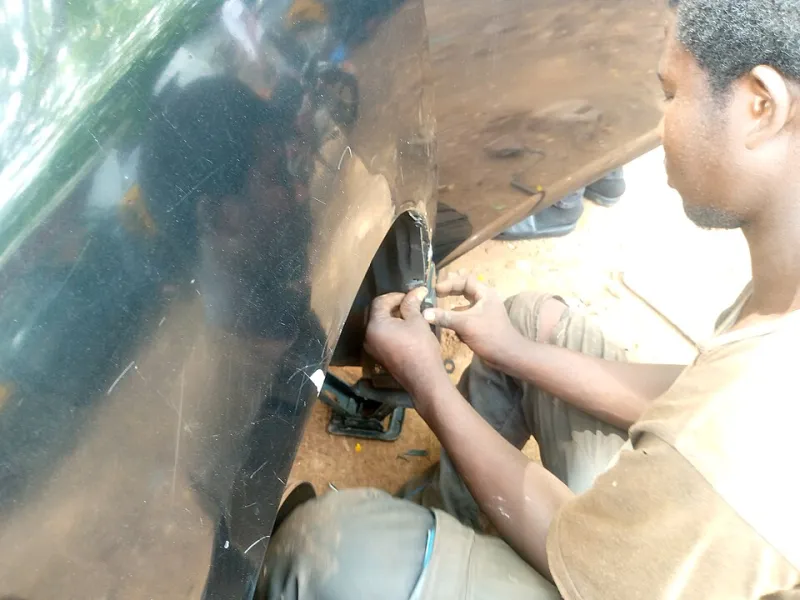
Photo: Azorbli, CC BY-SA 4.0, via Wikimedia Commons
There are few less appealing starts to a UK morning than lowering yourself into a cold car, firing up the blower, and watching your windscreen turn into a bathroom mirror. Most drivers blame the weather, their breathing, or the fact that they left a damp coat on the back seat. Fair enough. But there is another culprit hiding in the service schedule, and it is routinely ignored: the cabin filter.
Also called a pollen filter, this humble slab of pleated material sits in the air path for your heating and ventilation system. When it is clean, it traps dust, pollen, soot and general road grime before that lot reaches your lungs or fogs up the glass. When it is clogged, it does the opposite. Airflow drops, moisture hangs about, and your demister has to work harder for longer. Not exactly the drama of a snapped cambelt, but on a dark commute it matters.
Why a Dirty Filter Makes Mist Worse
Misting is mostly about moisture and airflow. Warm, damp air hits cold glass, condenses, and leaves you peering through a haze. Your car's ventilation system is supposed to move that air along, pull in fresher air, and, if you have air-con, dry it out in the process.
A restricted cabin filter throws a spanner in that plan. The blower can still make a noise, so it feels like the system is working, but the volume of air reaching the screen is reduced. The demister takes longer to clear the glass. Recirculation mode can make things worse if you leave it on, because you are basically sealing damp air inside the cabin and asking it to perform a miracle.
There is a smell clue too. If the vents produce a musty, dusty or vaguely gym-bag odour when you switch them on, the filter is often past its best. That is not a guarantee, but it is a cheap thing to rule out before you start diagnosing bigger problems.
Where the Thing Actually Lives
On many UK cars, the cabin filter is behind the glovebox. On others it is under the bonnet near the base of the windscreen, or tucked under the passenger-side dashboard. Some models have two. This is why the owner's manual is worth a look before you start removing trim with the enthusiasm of a bloke who has watched one YouTube video.
Access ranges from genuinely simple to needlessly fiddly. On a straightforward car, you drop the glovebox, unclip a cover, slide the old filter out and slot the new one in. On others, you need to contort yourself into the footwell and remove a trim panel. Neither is beyond a careful DIYer, but if the car is leased, still under warranty, or built like a puzzle box, a garage is the safer bet.
The Warning Signs Worth Acting On
You do not need a diagnostic machine to spot a tired cabin filter. Watch for these:
- The windscreen takes noticeably longer to clear than it used to.
- The blower sounds busy but the vents feel weak.
- There is a musty smell when the heating or air-con starts.
- Dust builds up quickly on the dashboard.
- Allergy sufferers in the car notice more sneezing and itchy eyes in spring and summer.
None of these proves the filter is the problem. A damp interior, a leaking sunroof drain, or a blocked scuttle drain can also cause misting and smells. But the cabin filter is one of the cheapest and easiest items to check first.
When Should It Be Replaced?
Most manufacturers suggest a new cabin filter every 12,000 to 20,000 miles, or roughly once a year. If you drive in heavy traffic, live near a busy road, carry dogs, or park under trees, annual replacement makes sense. A filter that looks grey and clogged after twelve months has done its job, not failed you.
This is where the service schedule earns its keep. Cabin filters are sometimes included in a major service and sometimes not. Check the invoice, not just the stamp. If your car has full service history but no mention of a pollen filter, it may still be original. That is especially likely on older cars where previous owners stuck to the minimum.
DIY or Garage?
For many cars, this is a fifteen-minute job and a part that costs somewhere between £10 and £30. Buy a decent branded filter rather than the cheapest unknown item on a marketplace listing, and check the fitment against your registration or model year. Fitting a filter backwards or forcing the wrong size into the housing is a good way to create a new rattle.
If you are not confident, a garage will usually fit one during a service for a modest add-on. Ask them to show you the old one if you are curious. It is oddly satisfying to see how much grime a small rectangle has been holding back.
The Winter Payoff
A clean cabin filter will not defeat a soaking wet interior or a faulty air-con system. It is not a magic fix. What it will do is give your ventilation system the best chance of doing its job: moving air, reducing stale smells, and helping the demister clear the screen promptly on a cold morning.
Before the next foggy commute, spend five minutes finding out where your cabin filter lives and when it was last changed. It is not glamorous. It will never be a bragging point at the pub. But it is one of those small, sensible service items that makes winter driving a little less grim, and that is worth a bit of glovebox rummaging.