Five Minutes, One Glovebox: What to Keep, What to Bin and What to Take Out Now
Photo: CZmarlin — Christopher Ziemnowicz, releases all rights but a photo credit would be appreciated if this image is used anywhere other than Wikipedia. Please leave a note at Wikipedia here. Thank you!, CC BY-SA 3.0, via Wikimedia Commons
Most gloveboxes are honest about us. Open one and you will find a light dusting of crumbs, three pens that do not work, a parking ticket from a retail park you have no intention of revisiting, and a document wallet that has not been opened since the car was bought. The boot is often worse: a coat for a season that never came, a half-full bottle of screen wash, and a bag of something that may once have been a picnic.
None of this makes you a bad driver. But a car is not a storage unit. Every unnecessary item adds a little weight, a little distraction and, in a crash, a little more risk. The glovebox should be small, boring and genuinely useful. Here is how to get it there in five minutes — plus what should never have been in there in the first place.
First, let us clear up the paperwork myth
There is a stubborn belief among UK drivers that the glovebox must contain the V5C, an insurance certificate and the MOT certificate. It does not. You are not legally required to carry those documents in the car.
The V5C is the worst offender. It is the logbook, and it is valuable to thieves. Keep it somewhere secure at home, not in a car that could be broken into. If you need it for a private sale or a trip to the Post Office, take it with you and bring it back inside. Do not leave it living in the glovebox on the off-chance.
Insurance and MOT status are checked electronically by police and the DVLA, so there is no need to carry paper certificates. That said, knowing your renewal dates is useful. A note in your phone — or a reminder set on your calendar — is more reliable than a crumpled document at the bottom of a cubby. If you are buying a used car, checking its MOT history on gov.uk is a sensible habit, but that is a research job, not a glovebox job.
Your driving licence is another one people worry about. In the UK you do not have to carry it while driving. If you are travelling abroad, check the rules for that country, but for everyday UK driving it can stay safe at home.
What actually earns its place
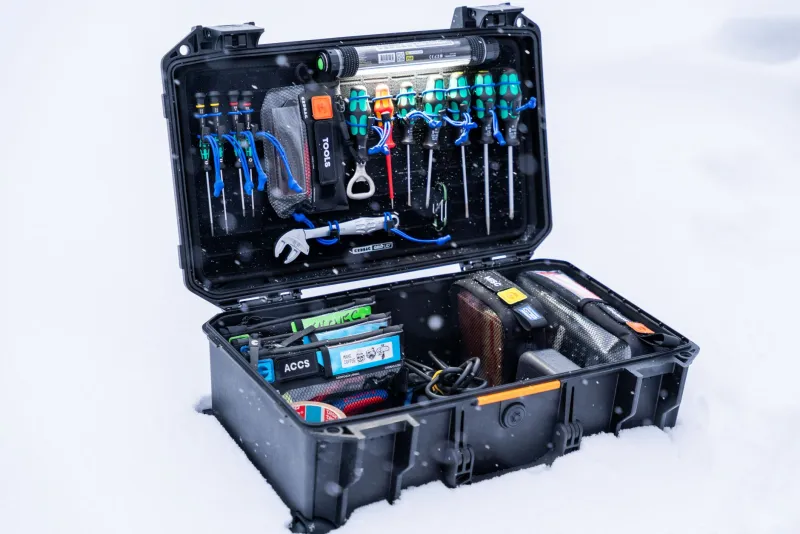
A good glovebox should help you deal with the small, ordinary problems that happen on the road. Think of it as a compact toolkit for inconvenience, not a mobile office.
Useful items include:
- Breakdown cover details and your insurer’s claims number. A small card or a note in your phone is enough.
- A torch. A proper one, not the fading light on your phone.
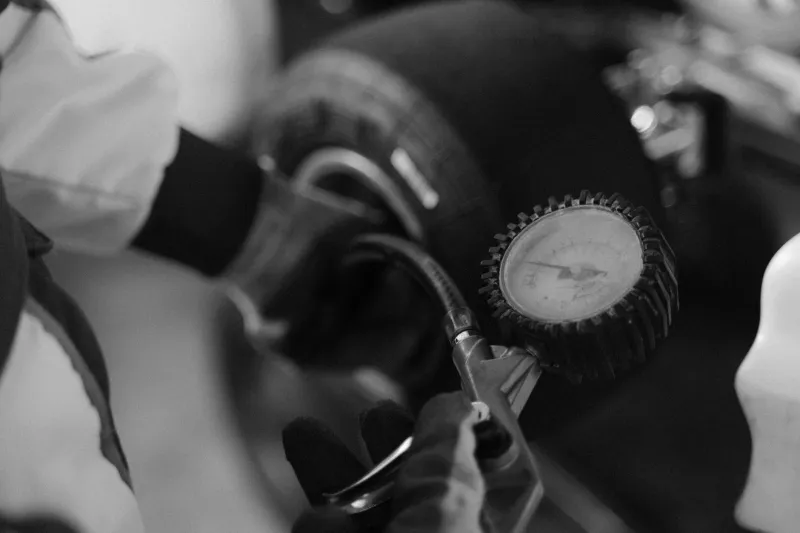
- A tyre pressure gauge. Cheap, small and far more accurate than a hopeful kick.
- A hi-vis vest. Not a legal requirement for UK car drivers, but genuinely useful if you break down on an unlit road. One per occupant is better than one for the driver.
- A basic first aid kit. Keep it small and check it now and then.
- A microfibre cloth. For misty windows, dirty hands and the occasional spill.
- A pen and a small notepad. Useful for insurance details after a bump, even in the age of phone cameras.
- An ice scraper and de-icer in winter. The boot is fine for these, as long as you actually put them in the boot before the first frost.
If you drive in Europe, check the local requirements before you go. A warning triangle is not a UK legal requirement for cars, but some countries expect one. Do not assume your UK setup is automatically correct abroad.
What is just dead weight
This is where the audit gets satisfying. Most glovebox clutter falls into three categories: rubbish, relocation and genuine risk.
Old receipts, parking tickets, takeaway menus, outdated maps and CDs are rubbish. Bin them. Loose coins are not a fortune; they are a rattle, and they can roll under pedals if they escape. A dozen pens is not preparedness; it is a stationery drawer that has learned to travel.
Then there are the things that should live somewhere else. Spare keys should not be in the car — if the car is stolen, you have just handed over the backup. Heavy tools, shoes, coats and dog leads belong at home or in a properly secured boot, not loose in the cabin. Half-full bottles of screen wash, hand sanitiser and aerosols can leak, freeze or get dangerously hot in a glovebox on a sunny day. Take them out.
Paperwork with your name, address or vehicle details is a data risk if the car is broken into. Shred what you do not need. If you keep a document pouch, keep it minimal and keep it out of sight.
The bigger point is safety. In a sudden stop, anything loose in the cabin becomes a projectile. A heavy torch, a glass bottle or a tool kit can do real damage at speed. Clutter also makes the car feel busier, which makes it easier to miss the thing you actually need. And yes, every extra kilogram costs a little fuel — but the real cost is peace of mind.
The five-minute audit
Do this on the driveway this weekend. It really does take five minutes.
- Empty the glovebox completely onto a table or the passenger seat. Do the same with the boot floor if you are feeling brave.
- Bin the rubbish and recycle what you can. Shred any personal paperwork you are not keeping.
- Sort what is left into three piles: keep in the car, take back into the house, and deal with later. Be honest about the third pile.
- Wipe out the glovebox with a damp cloth and let it dry. You will be surprised how much nicer it feels.
- Put back only the essentials. Use a small pouch for breakdown details and a couple of useful cards. Check expiry dates on first aid items and de-icer.
- Set a phone reminder to repeat the audit in six months, ideally before winter.
A quick word about the boot
A boot kit is only useful if it is secure and usable. Check that your spare tyre, jack and wheel brace are present and that you know how to use them. If your car has a repair kit instead of a spare, check the sealant is in date. Keep heavy items low and wedged so they cannot slide forward. And if you are carrying a warning triangle for European trips, store it where you can reach it without unpacking the whole boot at the roadside.
The verdict
A glovebox should not be a mystery. It should hold the few things that make a breakdown, a bump or a cold morning slightly less annoying. Everything else is either weight, noise or a small hazard waiting for its moment.
So open it now. If it rattles, leaks or contains a logbook, you have work to do. Five minutes, one bin bag and a bit of honesty — that is the whole job.