Musty Is Not a Smell: The Winter Moisture Hunt That Starts Under Your Mats
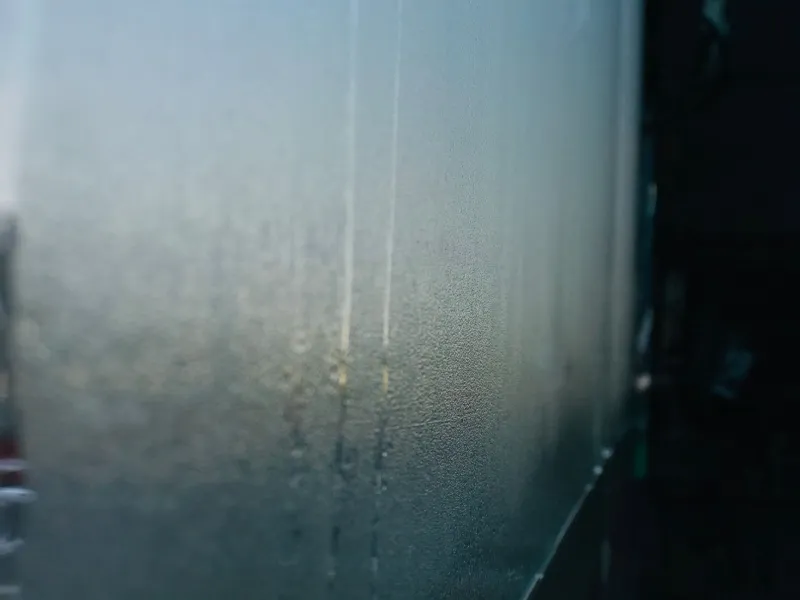
There is a particular smell that arrives in a UK car around November. It is not quite wet dog, not quite old milk, and not quite the sea. It is the smell of a small, heated box with damp carpet in it. And no, hanging a pine tree from the mirror is not going to fix it.
If your windows fog up faster than they used to, the carpets feel slightly cold and clammy, or the cabin has a background whiff of basement, your car is holding water. The job is to find out where it came from, get it out, and keep it out. That is a different task from making the car smell nicer for 48 hours.
Start with the wet stuff you brought in yourself
Most winter cabin moisture is self-inflicted. Wet coats go straight into the back seats. Dog towels stay in the boot for a week. Rubber mats trap a puddle underneath and the carpet never gets a chance to breathe. Wellies drip into the footwell, and the child seat has a damp cover you keep meaning to deal with.
So begin with the obvious. Take out every mat and hang it somewhere it can actually dry. Empty the door pockets, the boot, and the gap between the seats. If you use a dog guard or a boot liner, lift it and check what is underneath. A rubber boot liner is excellent at protecting the carpet and equally excellent at hiding a swimming pool.
Do not simply put the mats back the next morning. If they are still damp, they are a moisture reservoir. Run without them for a few days if you can, or use dry rubber mats until the carpets have dried out properly.
Water hides in places you do not clean
The usual suspects are not glamorous. The spare wheel well is a favourite. So is the boot floor under the liner, the space under the rear seats, and the carpet at the base of the doors. Press a dry microfibre cloth into those areas. If it comes up cold and damp, you have found your problem area.
Then look outside the cabin. In autumn and winter, the scuttle panel at the base of the windscreen collects leaves, seeds and general muck. The drains there block, water backs up, and it finds its way inside. Sunroof drains can do the same. Door and boot seals can perish or get pulled out of shape. A tiny leak around a rear light or boot hinge is enough to make the whole car smell like a wet anorak.
You do not need to be a mechanic to spot the clues. Water marks on the headliner, damp patches in the boot, a spare wheel well with beads of water in it, or a windscreen that mists up every single morning are all worth taking seriously. If the car smells sweet rather than musty, stop and get it checked, because that can point to coolant rather than rainwater.
The 20-minute dry-out that actually shifts moisture
This is not a full valet. It is a rescue job for a car that has got damp and needs to stop going downhill.
Minutes 0 to 5: strip it. Remove mats, wet coats, dog towels, empty bottles, and anything else holding water. Open all the doors and the boot. If it is not raining, leave them open while you work.
Minutes 5 to 10: blot the carpets. Use a dry microfibre or an old towel. Press down hard on the carpets, especially under the mats, around the seat rails and in the boot. Do not scrub. You are trying to lift water out, not spread it around.
Minutes 10 to 18: move air through it. If you can drive safely with the windows down a crack, do that. Put the heater on warm, switch on the air-conditioning, and set the ventilation to fresh air rather than recirculation. The A/C dehumidifies the air even when you are asking for heat. Recirculation just stirs the damp around.
Minutes 18 to 20: park it properly. Leave the mats indoors overnight. If you have a garage, crack the windows slightly. If you are on a driveway, do not leave the car open to the rain. Check the carpets again the next morning. If they are wet again, you have a leak, not just a spill.
Moisture absorbers are a support act, not the headline
Silica gel bags and reusable dehumidifier cushions can help a car that gets occasional condensation. They are useful after you have fixed the source, or during a cold snap when the cabin is naturally damp. They are not a cure for a blocked drain or a leaking seal.
If you find yourself recharging the same absorber every few days, that is a message. The car is producing or collecting water faster than the bag can deal with it. That means you need to investigate, not buy a bigger bag.
When mould means stop and call a garage
A faint musty smell after a wet weekend is one thing. Fuzzy white or green patches on the seats, black speckling around the headliner, or mould on the seat belts and boot carpet is another. Mould spores do not stay politely in one corner, and scrubbing the visible bits rarely solves the moisture problem underneath.
Get professional help if the smell returns within days of a dry-out, if water pools in the spare wheel well, if the carpets are soaked rather than just damp, or if you cannot find the source. A garage can check drains, seals and ventilation properly. A good valeter can deal with contaminated soft trim. Do not mask a mould problem with a strong air freshener; that is like turning up the radio to drown out a warning light.
The weekly habit that stops it coming back
Once the car is dry, keep it dry. Shake out the mats weekly. Empty the boot of damp kit. Clear leaves from the scuttle panel when you wash the car. Dry the dog before it gets in, or at least put a proper towel down and take it out afterwards. If the windows are misting up more than usual, treat that as a small warning rather than a fact of winter life.
A dry car is not a luxury. It is easier to clear, less likely to smell, and less likely to turn a small leak into a mouldy interior. Twenty minutes now is a lot cheaper than a valet, a new carpet and a garage bill later.